Engineering reliability and risk management is the practice of embracing uncertainty and designing for it, rather than designing around it.
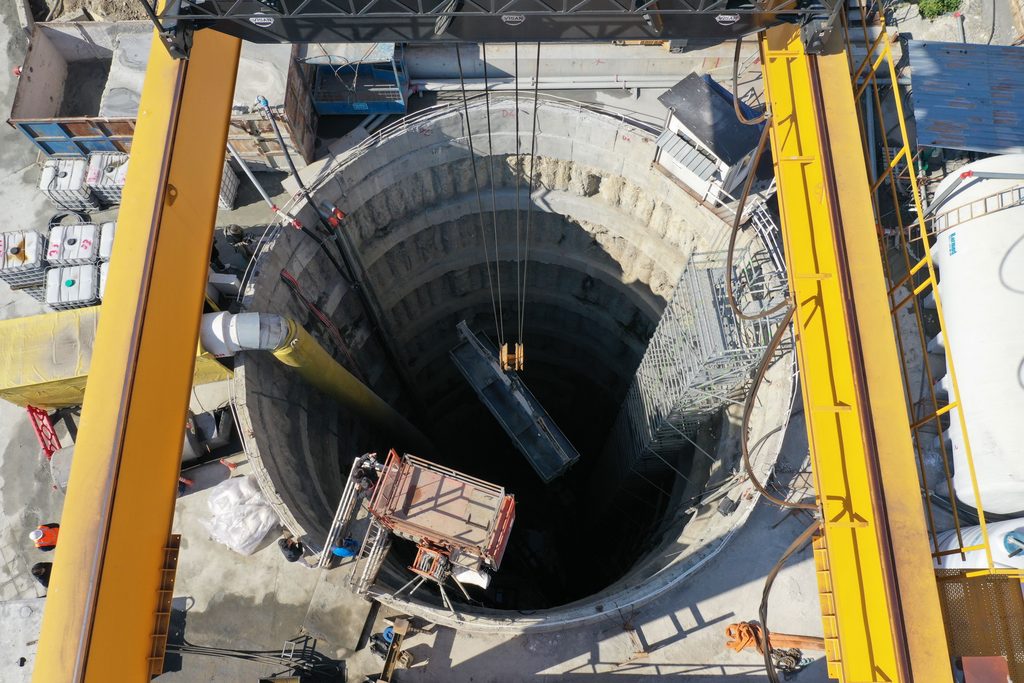
Underground construction carries a level of uncertainty that few other disciplines contend with.
Engineering reliability and risk management is the discipline of designing for that uncertainty rather than around it: developing geotechnical baseline reports that allocate ground-condition risk explicitly between owner and contractor, applying the observational method so design assumptions can be verified and adjusted as excavation proceeds, and building redundancy into support-of-excavation and lining systems so that no single unexpected condition becomes a failure.
It also means rigorous adherence to code — ACI 318, AASHTO LRFD, ASCE 7 — paired with real-time geotechnical instrumentation and monitoring that catches deviation from predicted behavior before it becomes a safety event. On a well-run underground project, risk management isn’t a document produced once at the start of design; it’s a living process that runs from geotechnical investigation through construction quality control, protecting workers, the public, and the owner’s investment at every stage.
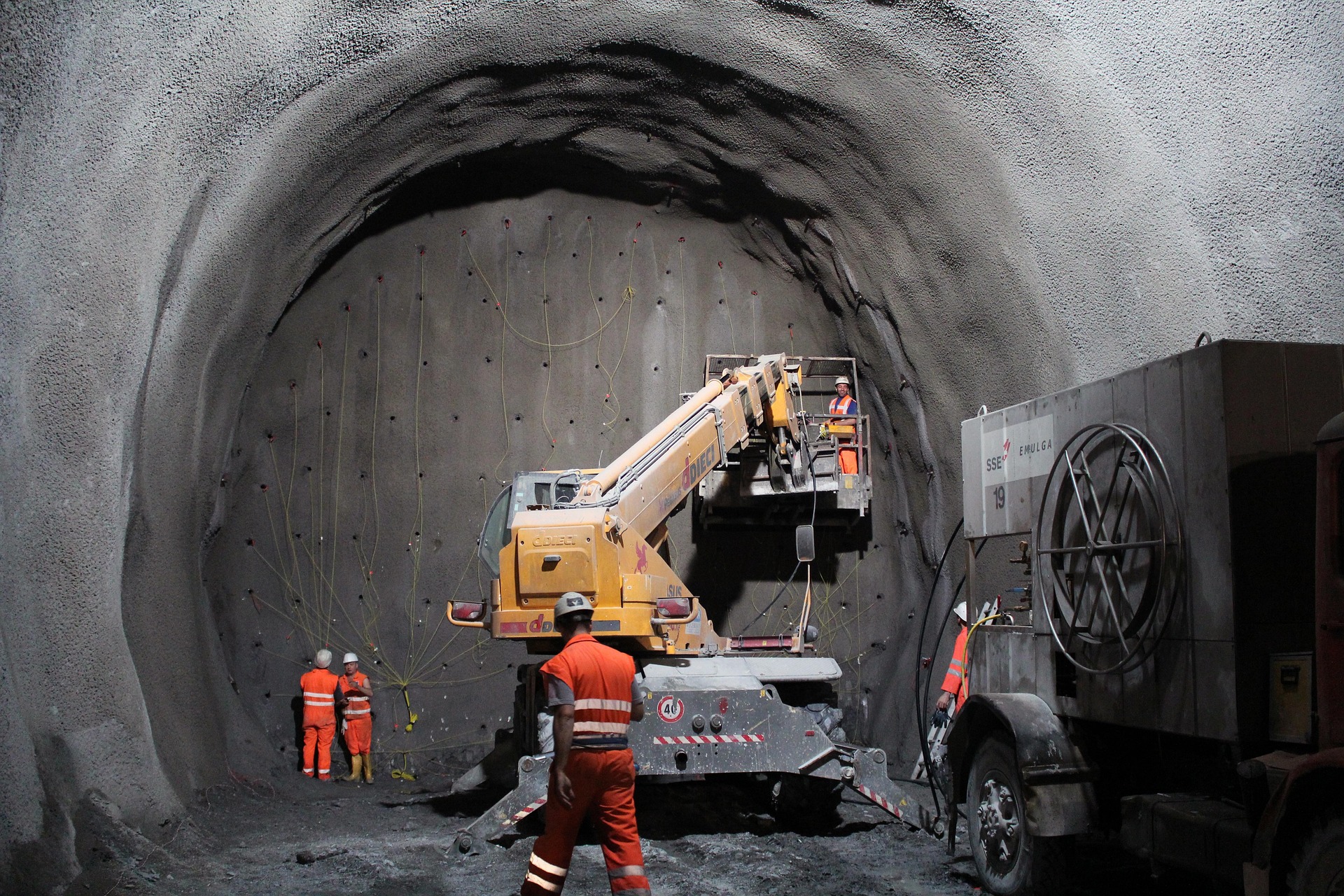
Risk management is a living process that runs from geotechnical investigation through construction quality control
Risk in underground construction rarely announces itself in advance. A boring log tells you what the ground looked like at one point in space; it doesn’t tell you what’s between those points, and it’s that gap — the unknown ground condition, the utility that wasn’t where the record drawings said it was, the water table that behaves differently than predicted